Alpine Foraging and Hearth Cooking in South Tyrol
How high-altitude herb gatherers, rye millers, and farmhouse kitchens are redefining mountain gastronomy.
High in the jagged limestone amphitheaters of the Dolomites, culinary borders blur between Mediterranean lightness and Tyrolean preservation. Here, winters are steep and unforgiving; for generations, mountain families developed an encyclopedic knowledge of forest larders.
1. The High Valley Larder
In mid-summer, before the first snow dusts the Odle peaks, foragers ascend alpine meadows at 2,000 meters. They harvest wild mountain thyme (thymus serpyllum), young stone pine cones, dandelion roots, and mountain clover. Cones are macerated in local cane sugars and left in sunlight to yield medicinal pine syrup that seasons venison carpaccio and goat milk desserts.
2. Hearth & Larch Smoke
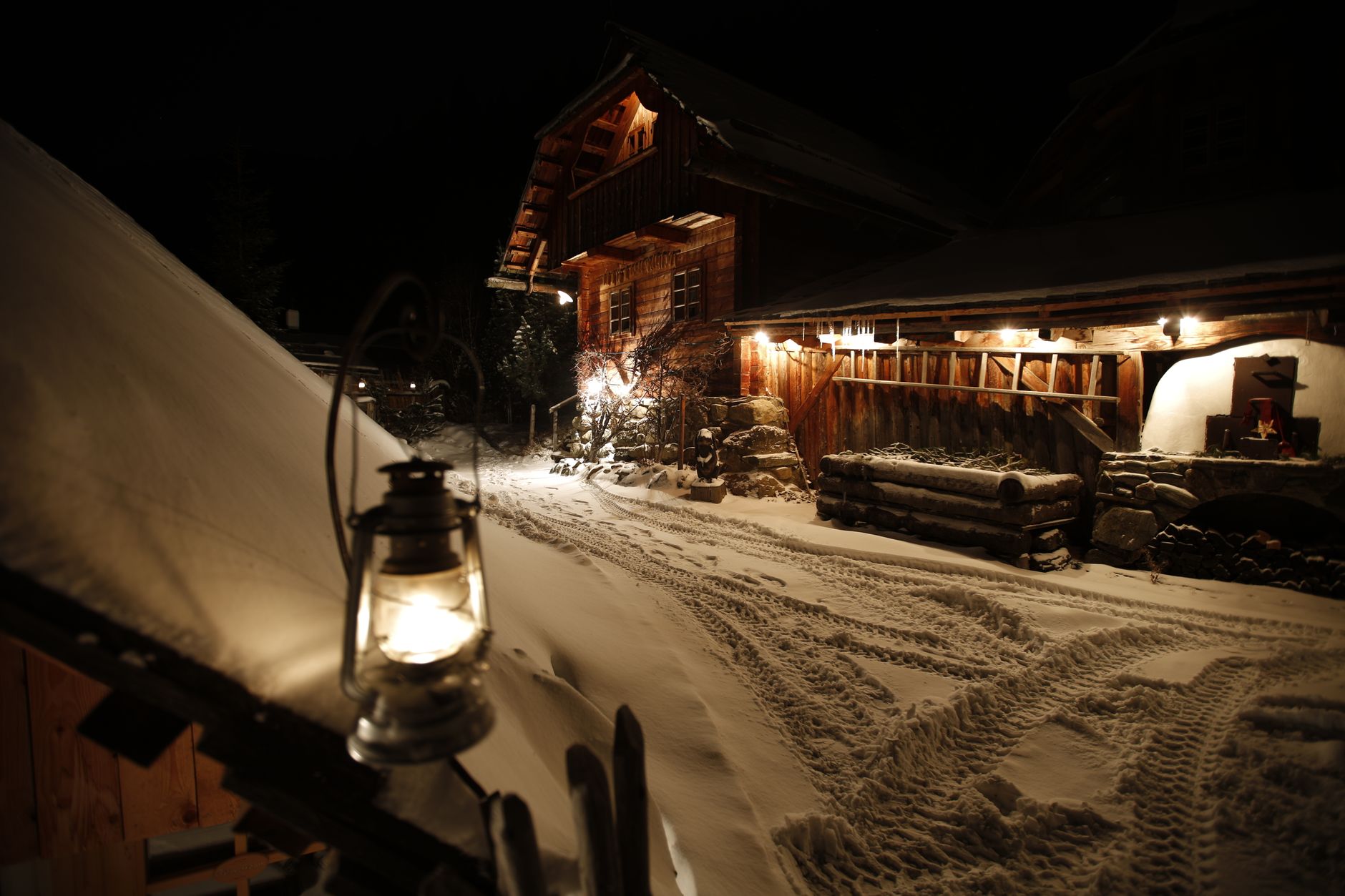
Entering an alpine stube on a crisp November evening engages every sense. Heat is generated by heavy masonry stoves coated in terracotta tiles. Over open grates fired by dry beech and larch branches, cooks prepare speckled dumplings (canederli) and roast sweet root vegetables in browned mountain butter.
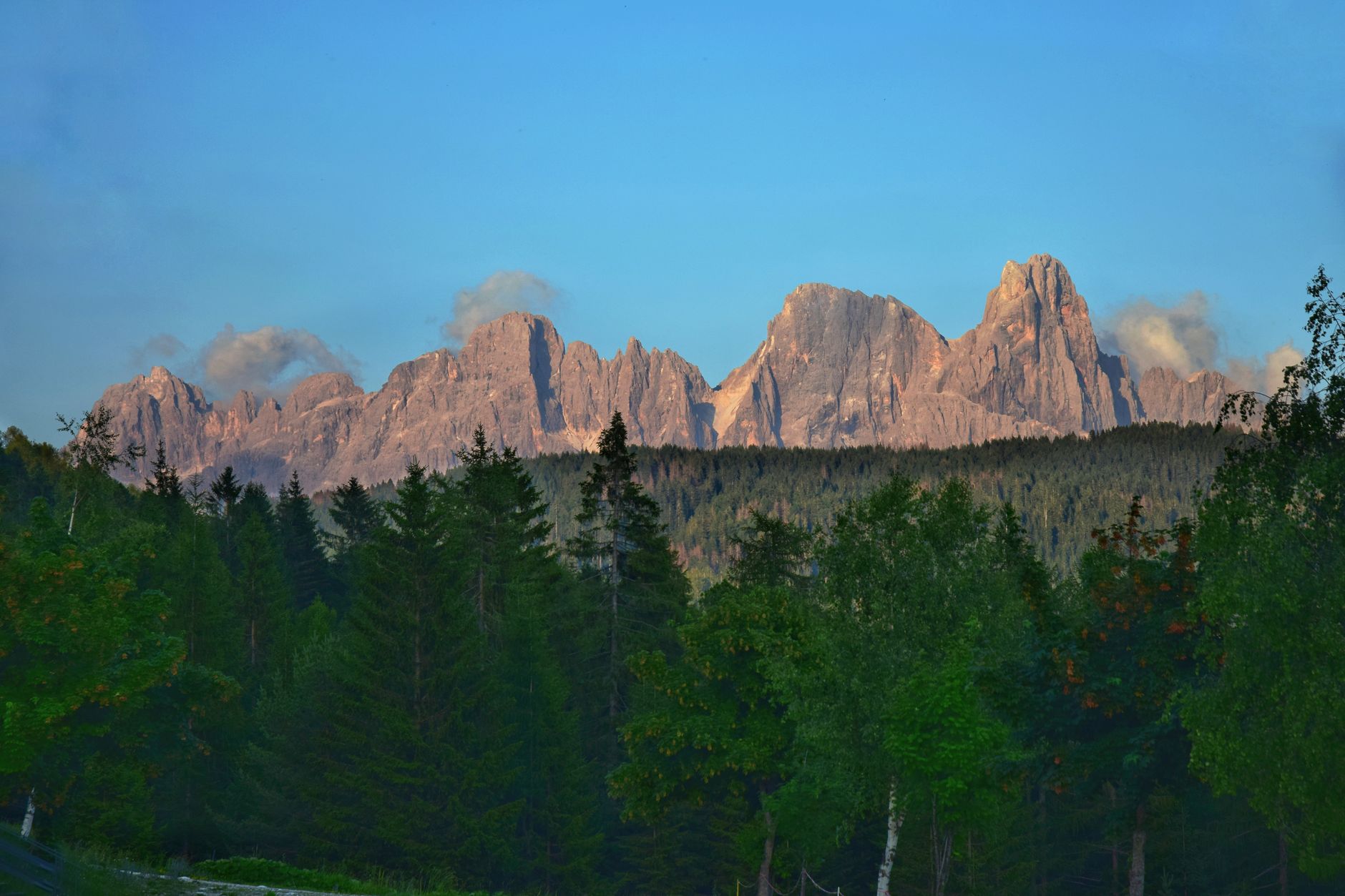
Jagged peaks overlooking high-altitude grazing valleys in South Tyrol.
3. Preserving Ancient Mountain Rye
Near the Austrian frontier, stone mills driven by snowmelt still grind heirloom rye grains. Unlike modern bleached wheats, alpine rye yields dense, tangy sourdough flatbreads (Schüttelbrot) studded with fennel and anise seeds. Dried on wooden racks, these crisp breads keep for months in high barns.
4. Discreet Cellars & Inns
When traveling through Val Badia and the Eggen valley, avoid roadside banquet halls in favor of converted farmsteads (Roter Hahn). These historic properties offer five or six guest rooms, home-cured speck, and unpasteurized raw cheeses aged in natural stone vaults beneath the cowshed.
Discover Alpine Hideaways
Request our curated guide to discreet South Tyrolean farmhouse inns.