The Quiet Courtyards of Kansai: A Meditative Architecture Journey
How centuries of joinery, restrained light, and moss garden design offer an antidote to the velocity of contemporary city life.
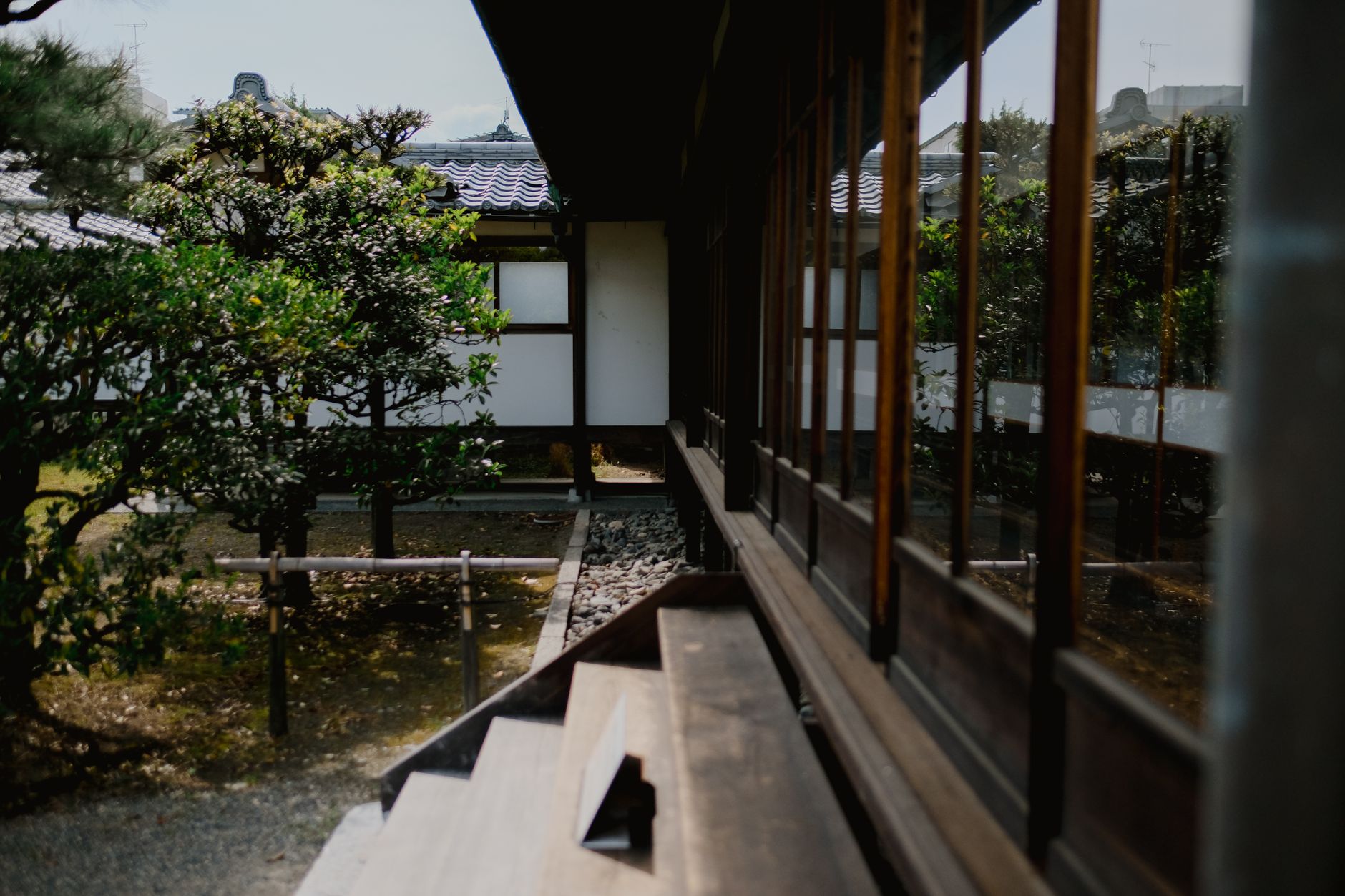
Arriving in Kyoto in the early morning fog reveals an urban texture unlike any Western capital. Behind discreet lattice doors (known locally as koshi), families and artisans cultivate inner courtyards no larger than a tatami mat. These micro-sanctuaries, or tsuboniwa, filter breeze, collect rainfall, and invite the changing seasons straight into the living room.
1. The Geography of Shadow
In his seminal 1933 essay In Praise of Shadows, Jun'ichirō Tanizaki reflected on how Japanese rooms derive beauty not from bright illumination, but from delicate gradations of dusk. In Kansai's historic temple complexes, deeply overhanging cedar eaves prevent glaring southern sunlight from breaching the sliding washi paper screens.
The result is a soft, ambient glow that calms the central nervous system. When sitting silently upon untreated tatami straw, eyes adjust to register nuanced textures in timber grain, gold leaf murals, and clay-plastered walls.
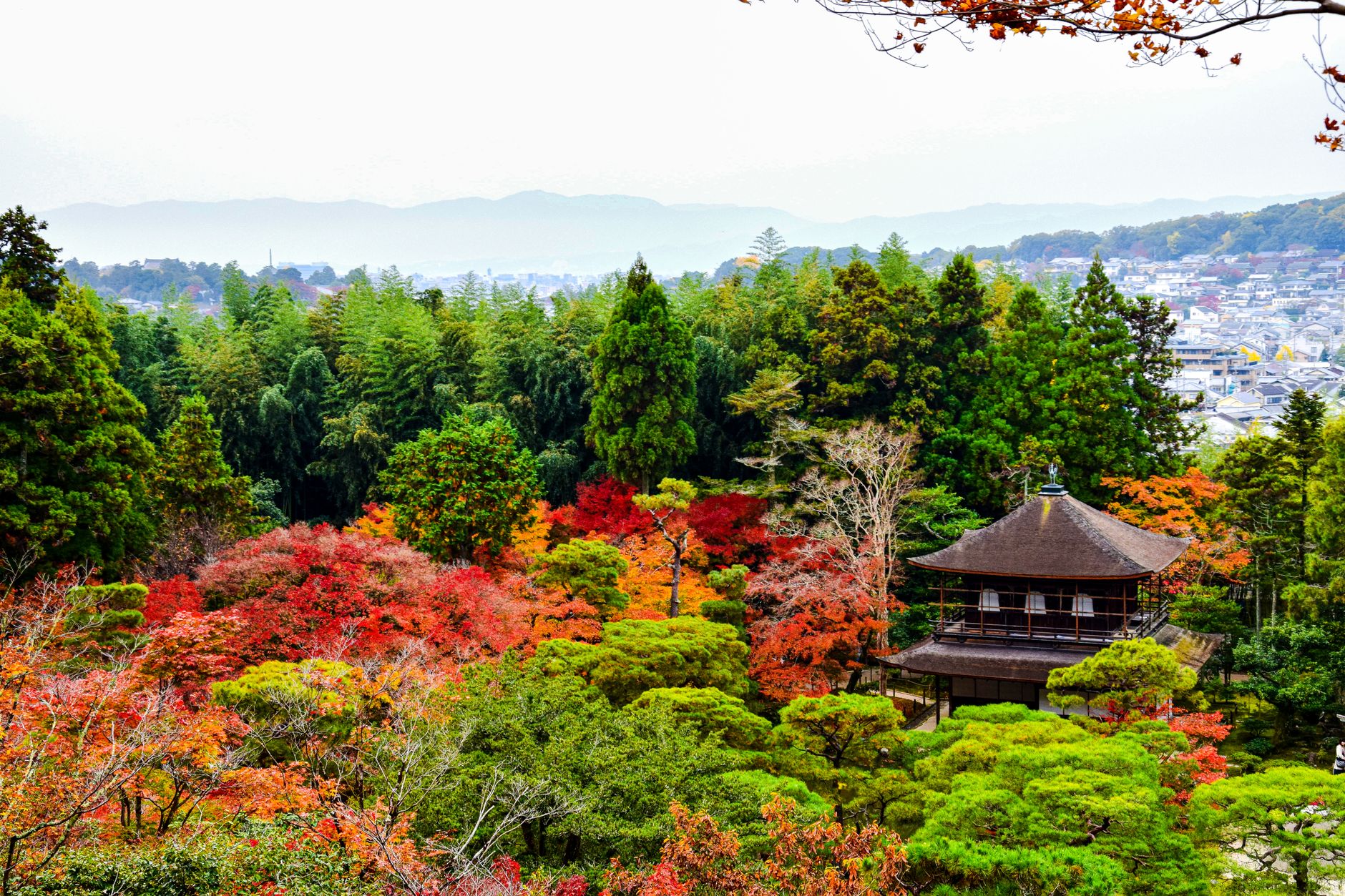
A temple veranda framing ancient cedar forest in northern Kyoto.
2. Wood Without Nails (Kigumi)
A central wonder of traditional Japanese architecture is kigumi—the intricate art of joining timber structural frames without metallic fasteners. During our four days observing master carpenters near Nara, we witnessed beams slotted together with millimeter tolerances. Because wood expands and contracts in response to seasonal humidity, these flexible interlocks allow centuries-old shrines to withstand earthquakes and typhoon winds.
"The timber lives twice: first three hundred years in the mountain grove, and three hundred years in the temple roof."
3. Moss, Stone & Rain
Beyond timber, water governs Kansai gardens. At Saihō-ji, over 120 species of velvet moss blanket the grounds beneath towering maples. Visiting during late autumn drizzle transforms the landscape into an emerald sanctuary where visitor footsteps are naturally muted. The intentional placement of weathered stones invites contemplation of geologic time.
4. Mindful Guidance for Travelers
To experience these spaces respectfully, travelers should keep several considerations in mind:
- Advance Invitations: Many tranquil shrines require postal postcard requests or reservations through registered heritage foundations.
- Footwear Etiquette: Always wear clean, solid socks; bare feet are considered inappropriate on delicate natural straw tatami.
- Camera Restraint: Put aside smartphones during the first 15 minutes of visiting any temple garden to allow true visual acclimatization.
Seek Bespoke Kansai Access?
Our editorial team curates private viewings and stays at historic machiya residences.